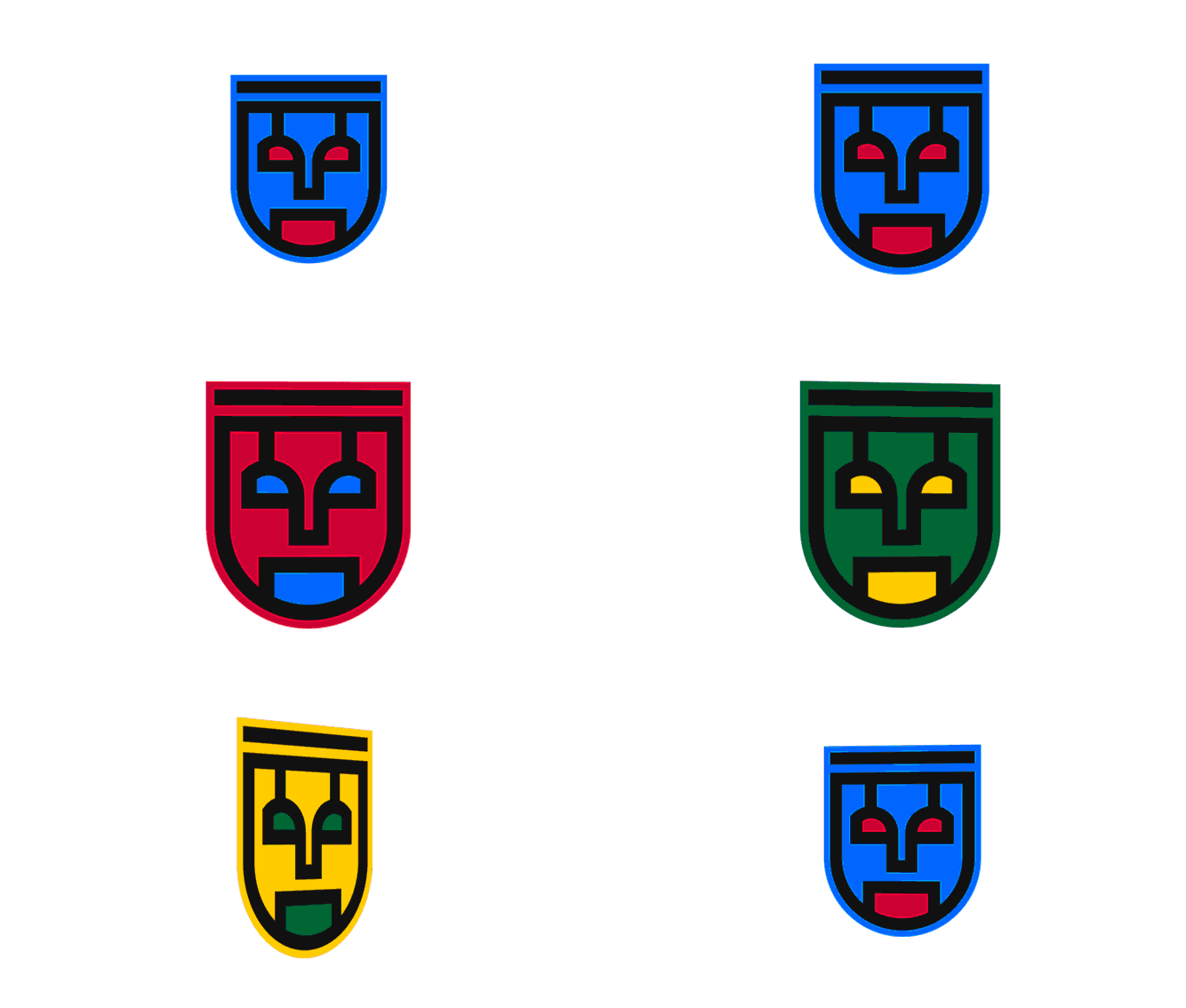

Context
Latin America and the Caribbean has always been a region too complex to be captured in a single image.
Too many countries for one flag. Too many cultures for one narrative. Too much richness for one definition.
We needed to create a regional brand without erasing the diversity that makes it unique.
Too many countries for one flag. Too many cultures for one narrative. Too much richness for one definition.
We needed to create a regional brand without erasing the diversity that makes it unique.
Insight
Across the region, we share food, folklore, sports, and traditions. Yet we spend much of our time debating where each thing truly belongs: whether a dish comes from one country or another, whether the greatest player emerged from here or there, whether a rhythm, a wine, or a flavor is really ours.
But the region’s true value emerges when it stops competing with itself and starts coming together.
Idea
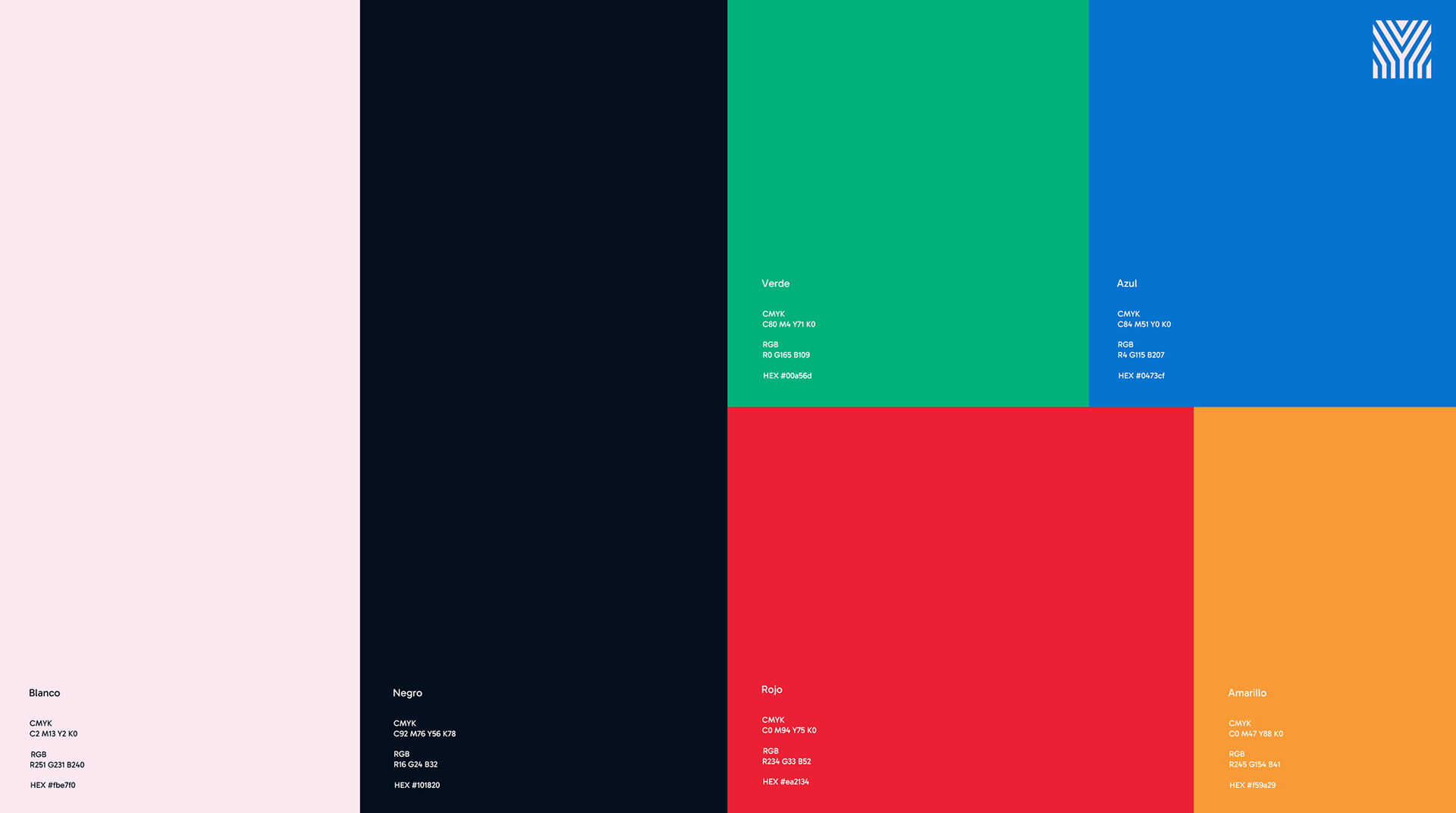
The answer became a symbol: the letter Y. One that appears both in the shapes of our landscapes and deep within our folklore. It represents the meeting point of the Amazon and the waterfall between two mountains. It is the weave that symbolizes abundance and the crossing structure of Caribbean bamboo. It echoes the shape of Christ the Redeemer’s arms and our own when we dance salsa in Cuba, tango in Argentina, or cumbia in Colombia. It is the fork in the roads of the Andes and the rivers intertwining throughout the Orinoco basin.
We transformed a letter into a regional statement. A visual system capable of bringing differences together without flattening them. A simple symbol designed to express something immense: unity, integration, and multiplicity. Its form carries a clear idea: a region with many voices can speak with one presence.
This was never just about designing a logo. It was about giving Latin America and the Caribbean a tool to project itself to the world with greater investment, stronger tourism, and more global influence.
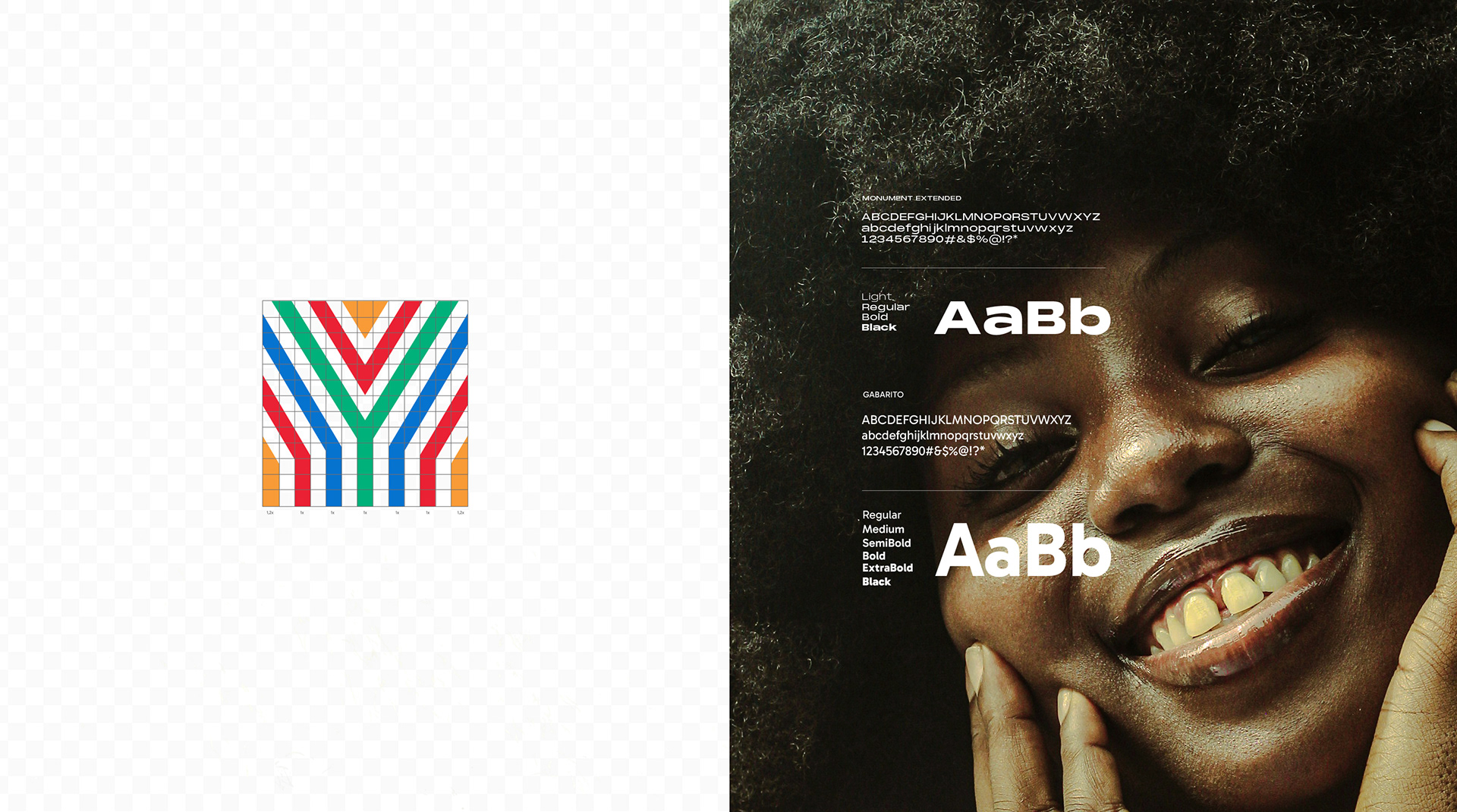
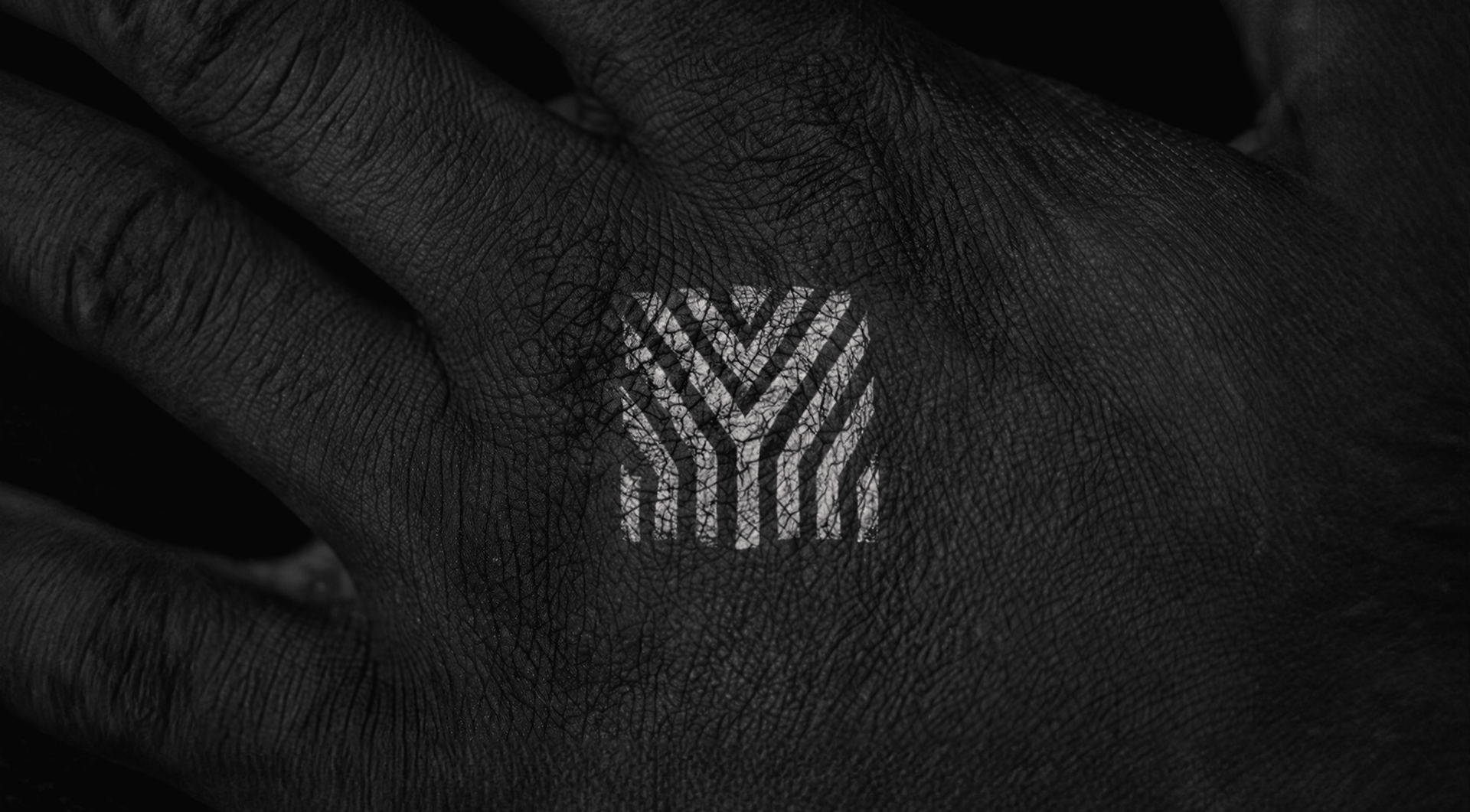


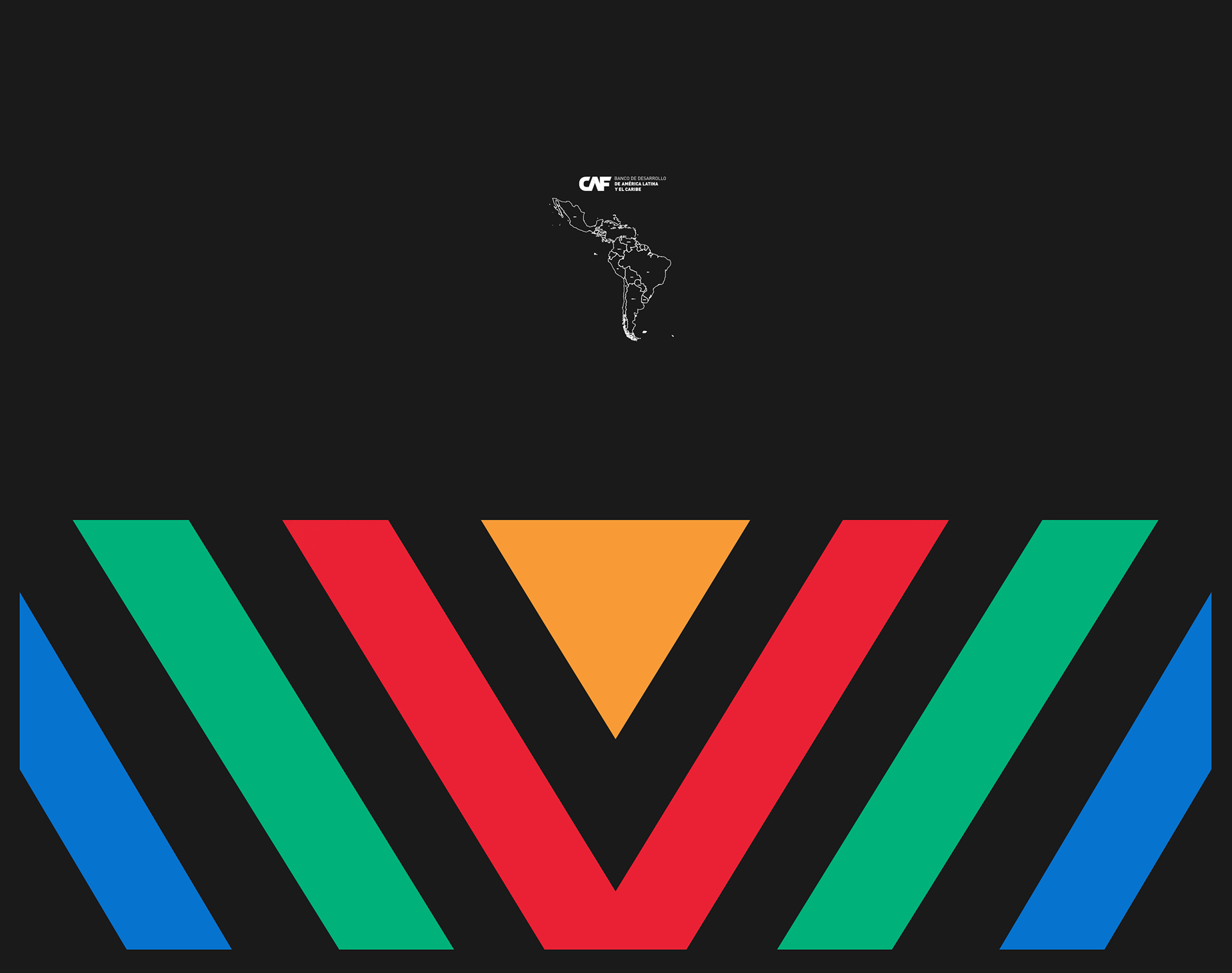
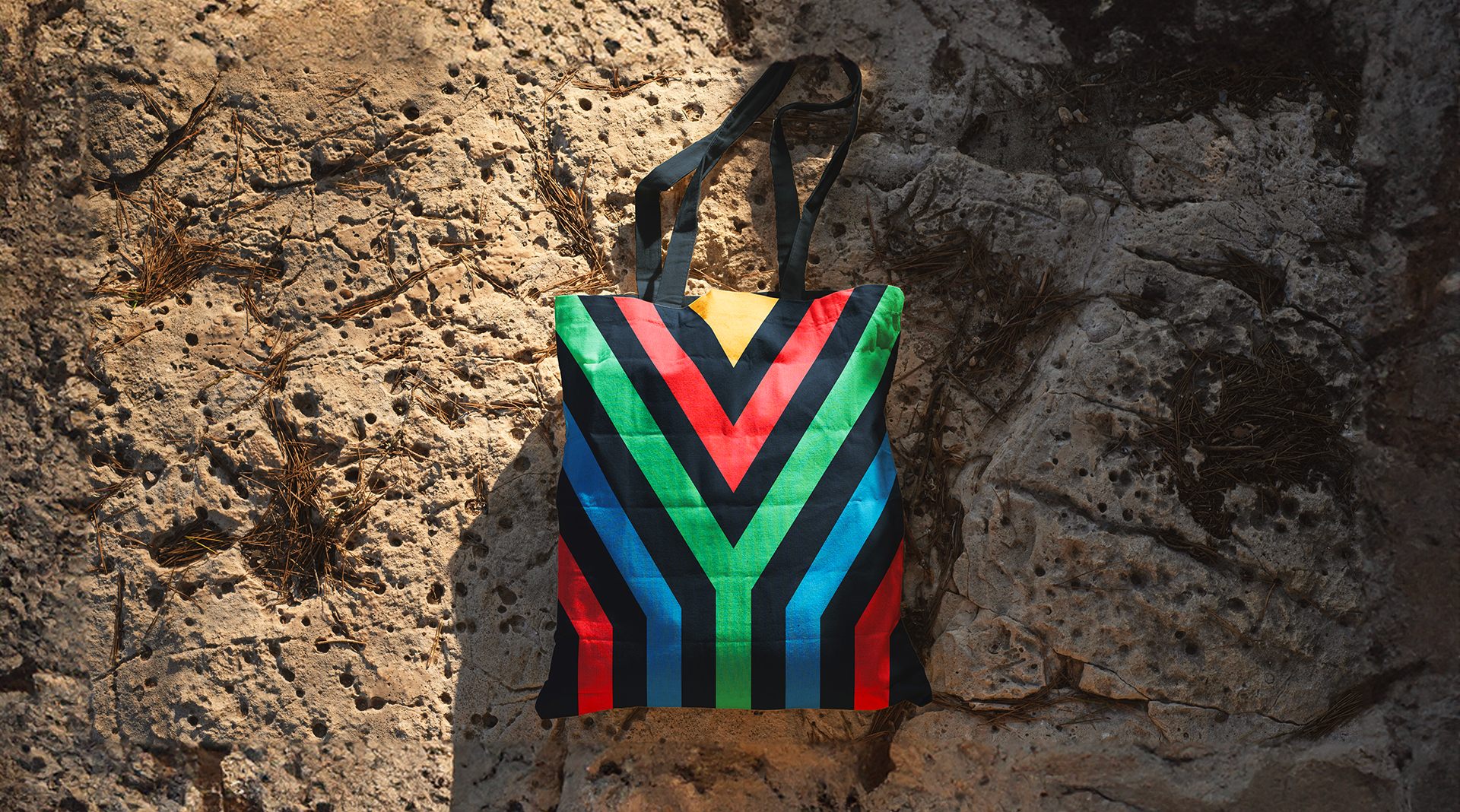
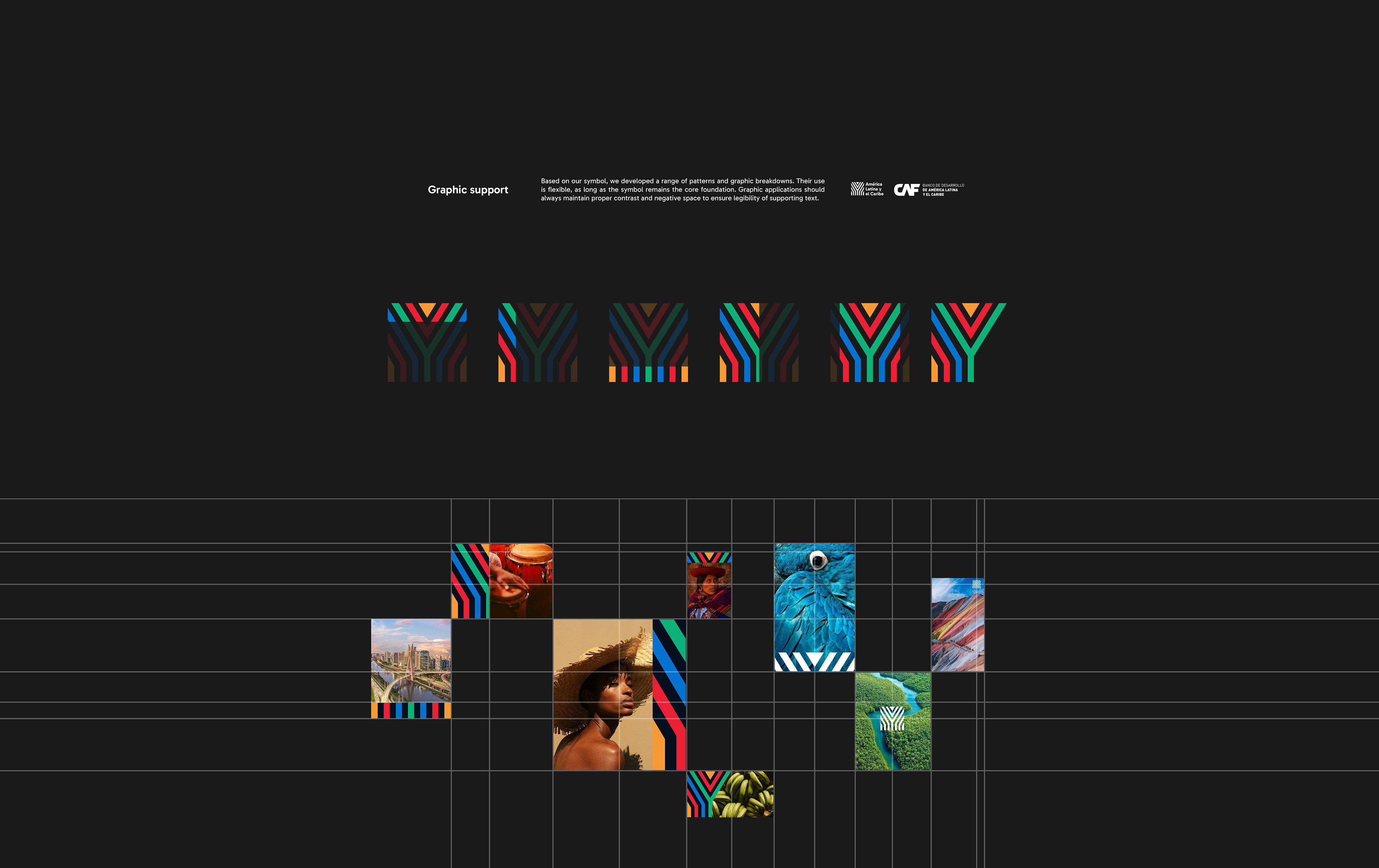
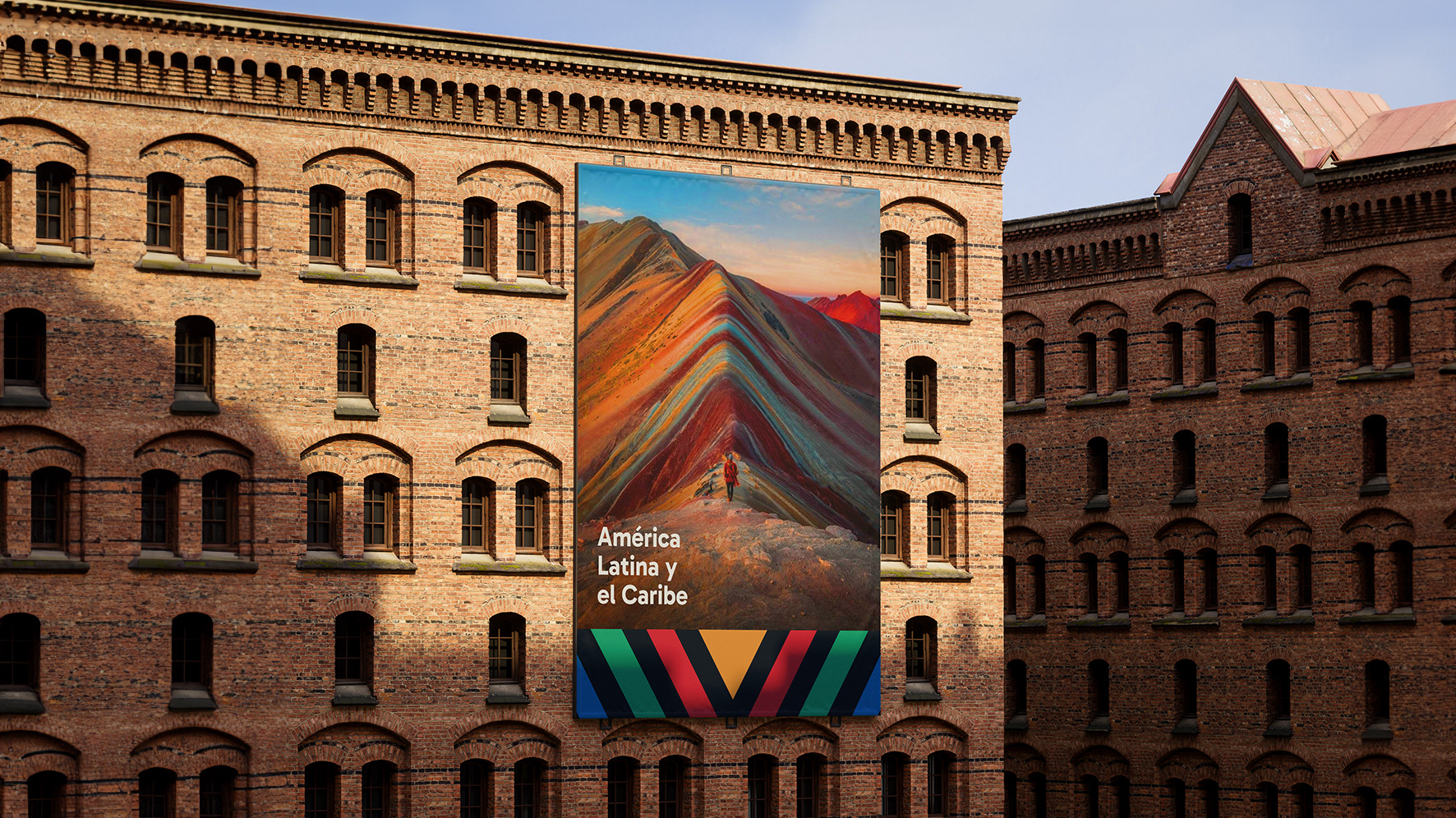
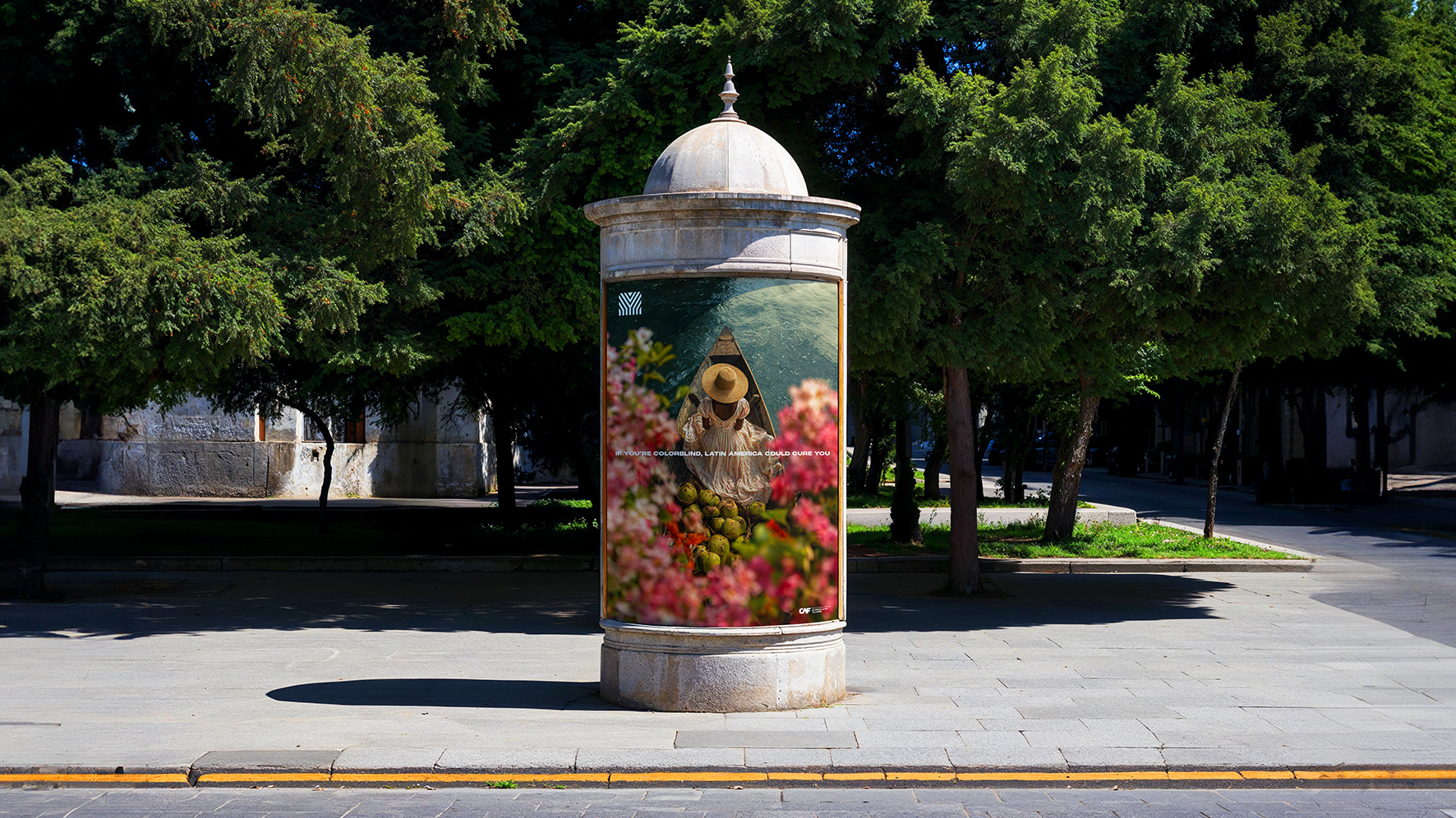

The “Y” is a simple symbol of choice. It marks the moment when one path splits into many. Instead of forcing a single direction, it represents the freedom to explore different routes.
In the same way, cultural and ethnic diversity gives us options. It allows us to be a mix, not just one thing. The “Y” becomes a symbol of that freedom the privilege of not having to choose only one way to be.

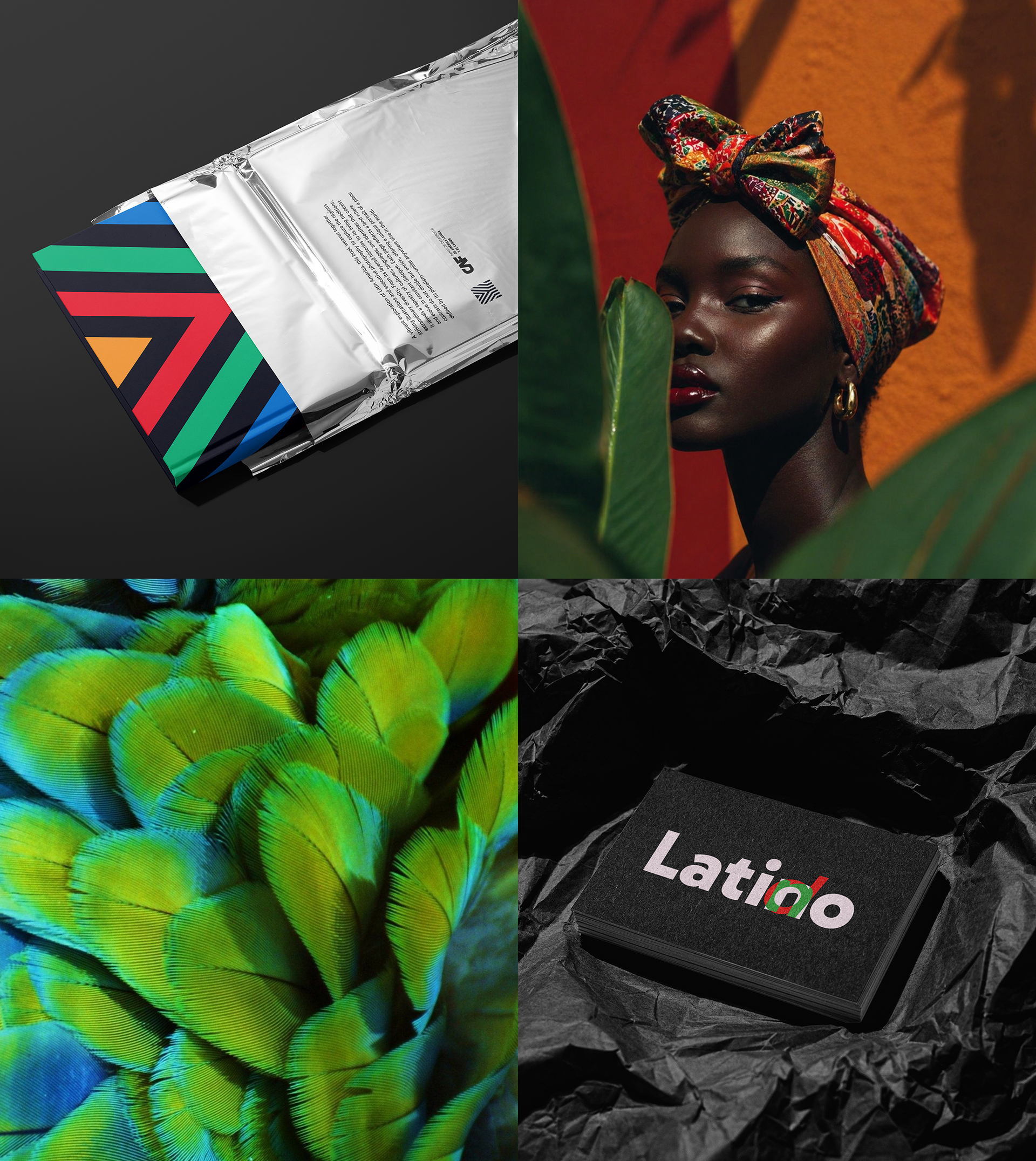

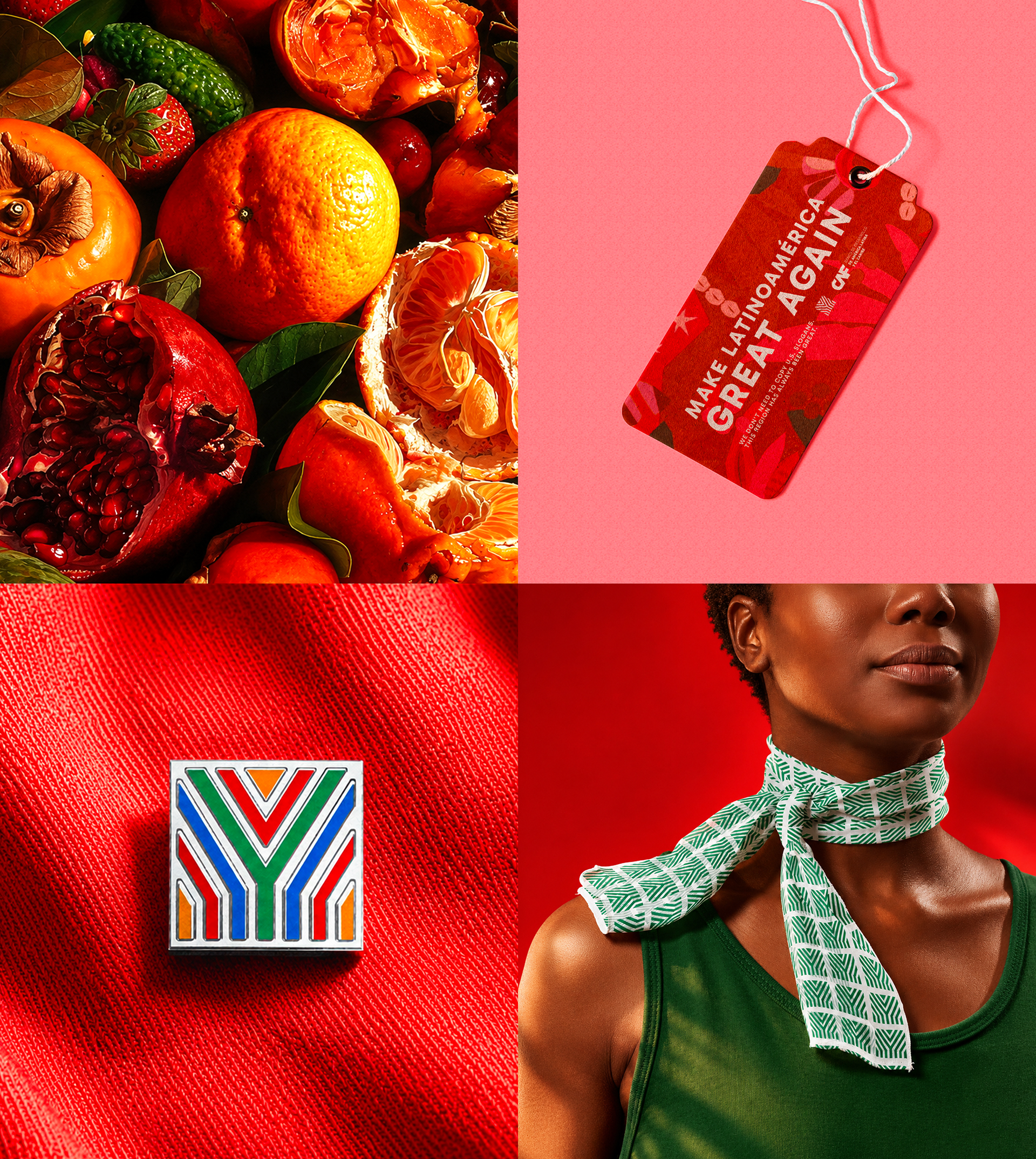
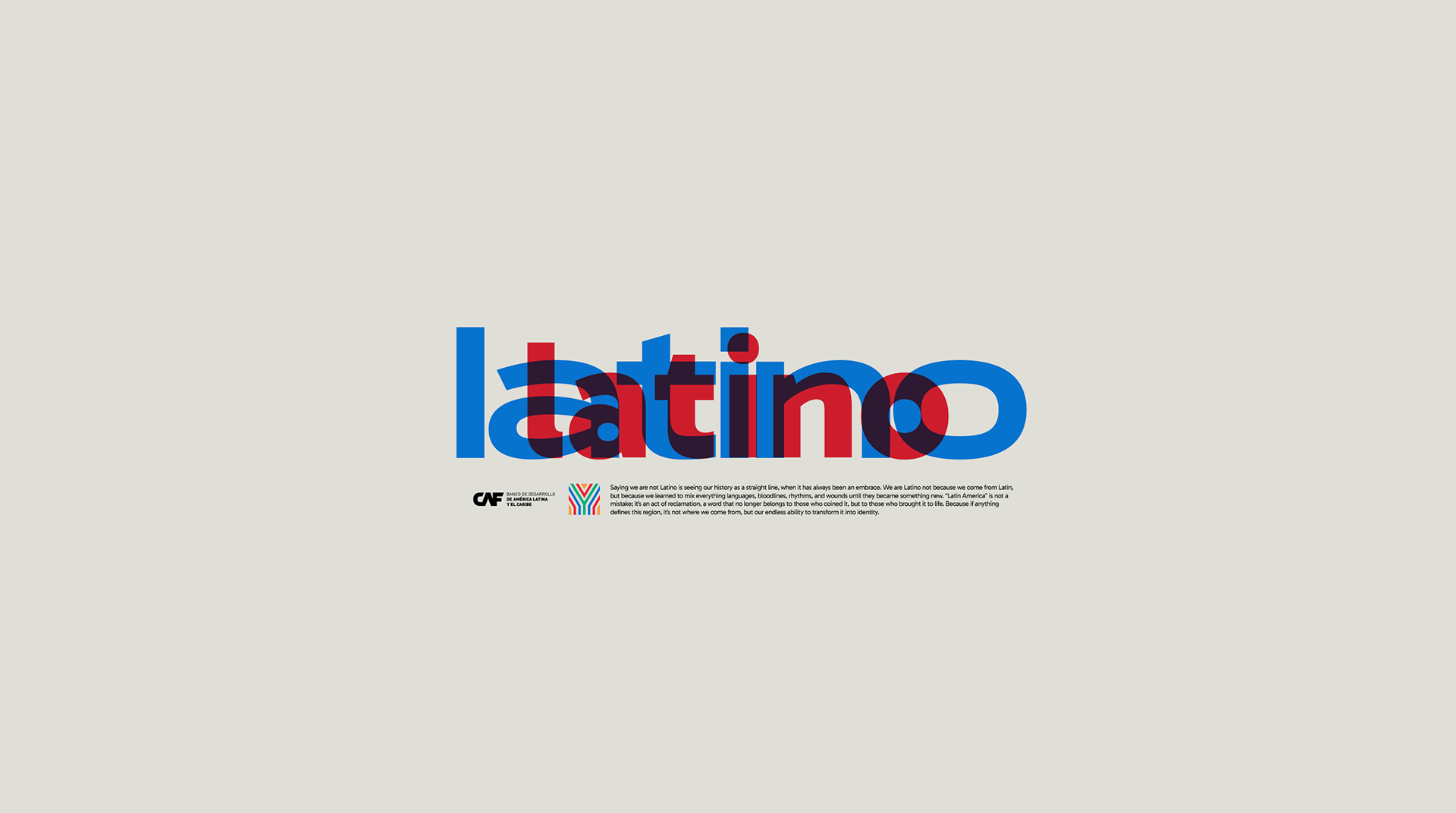

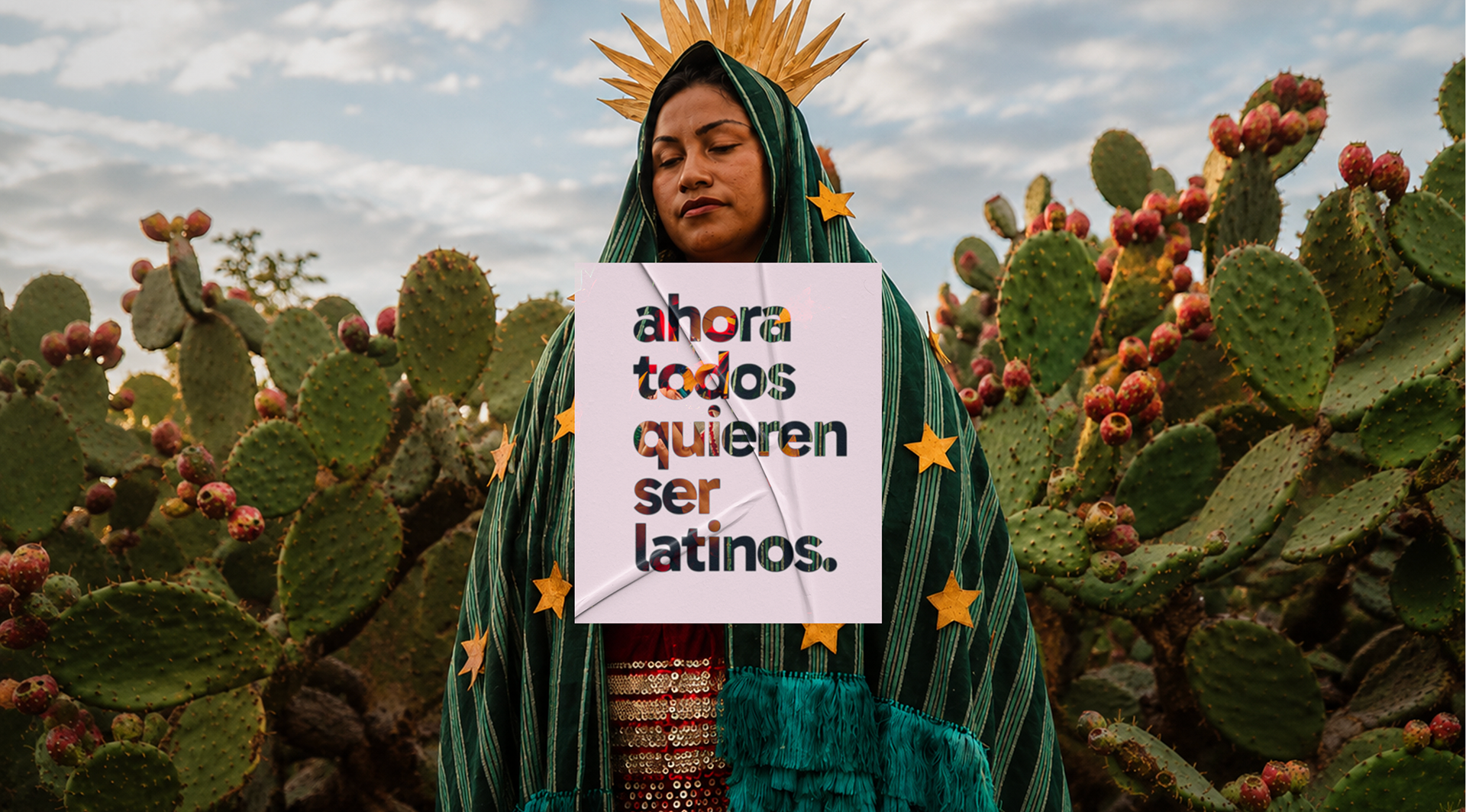
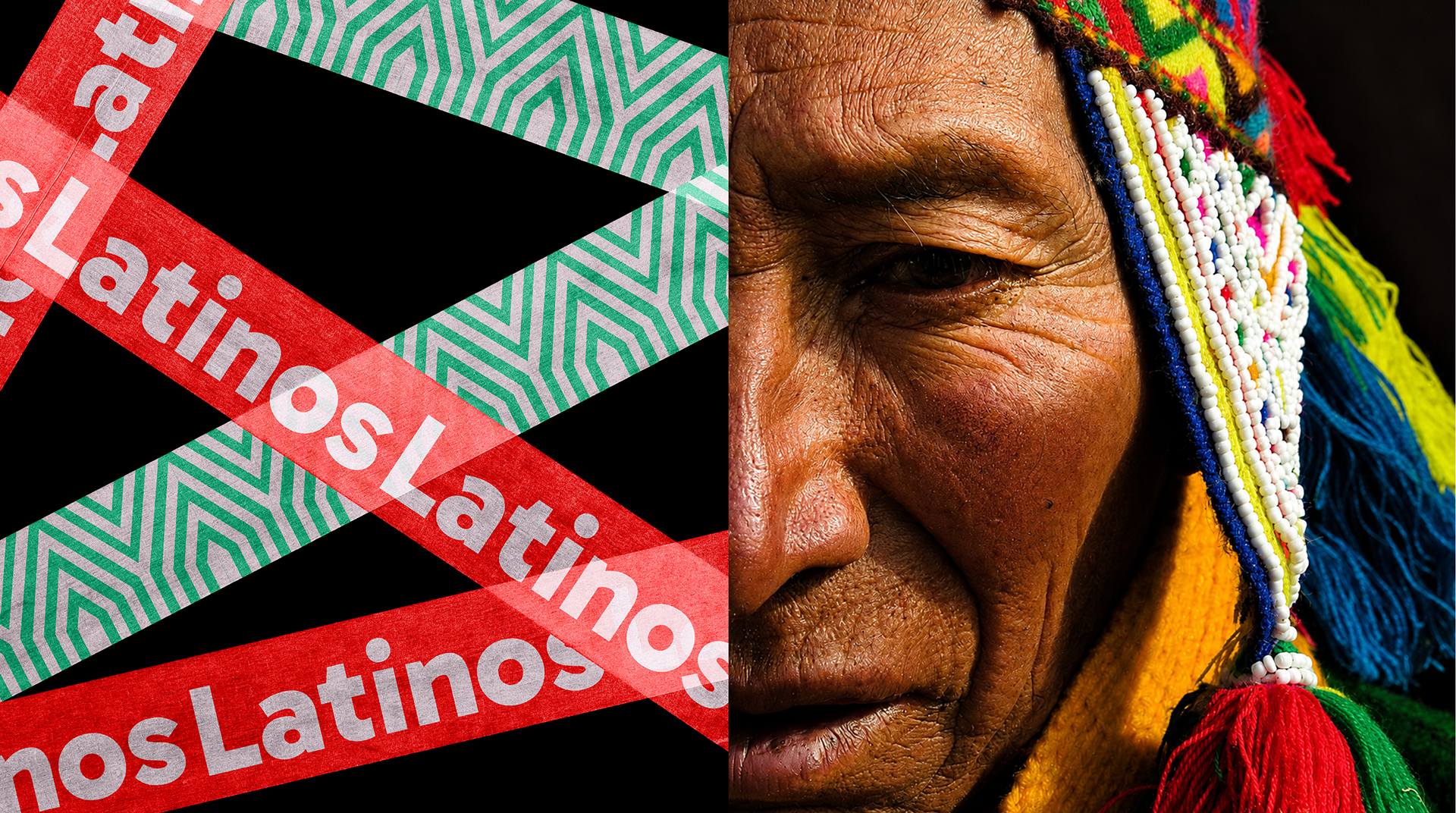
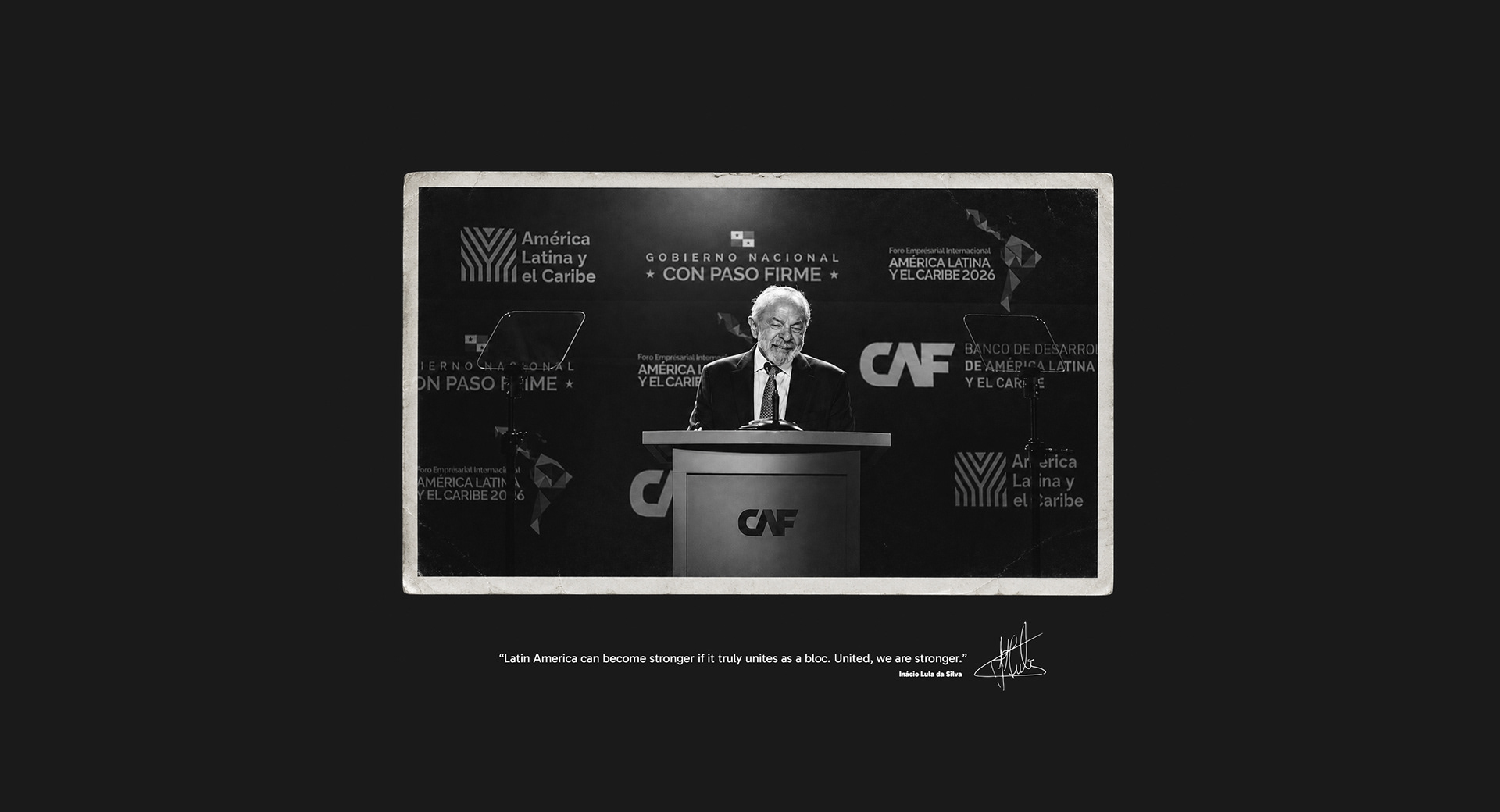
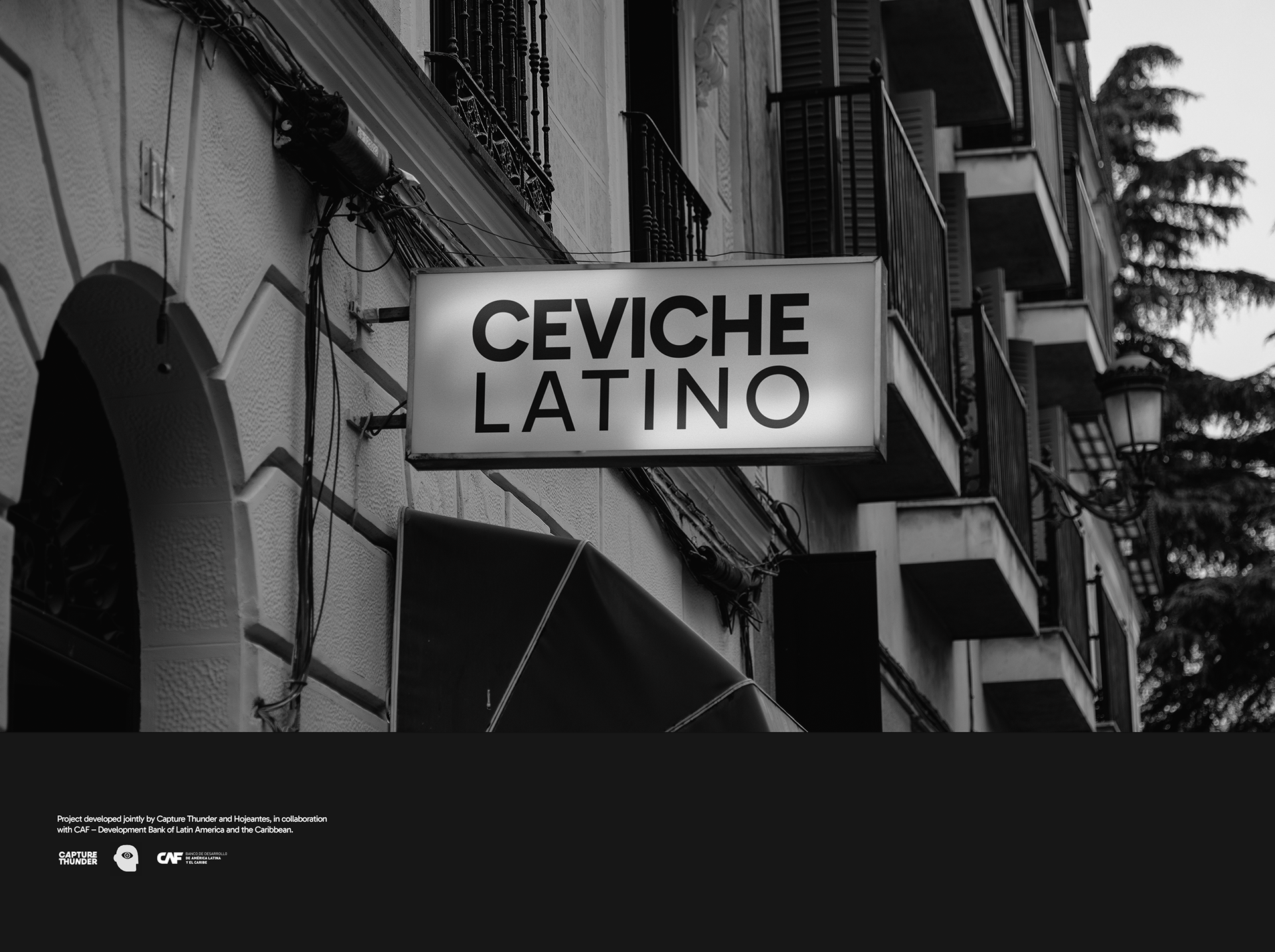
The “Latin ceviche” is a concept that doesn’t really exist in everyday language, yet it reveals a powerful idea.
It has never been named this way because we tend to think of ceviche as a singular dish, with a fixed origin and a clear national identity a debate most visible between Peru and Ecuador, each claiming to be its birthplace. But the truth is, ceviche, in its many forms, exists across numerous countries in Latin America. If our mindset were to shift, we might stop seeing it as belonging to one place and start understanding it as something shared by an entire region.
Latin ceviche is a kind of utopia: a way of thinking where the origin matters less than the diversity of interpretations. It means accepting that each country has its own version, its own flavor, and its own story and instead of competing, choosing to celebrate that shared richness. In that sense, Latin ceviche is not just a dish; it is an idea of unity.